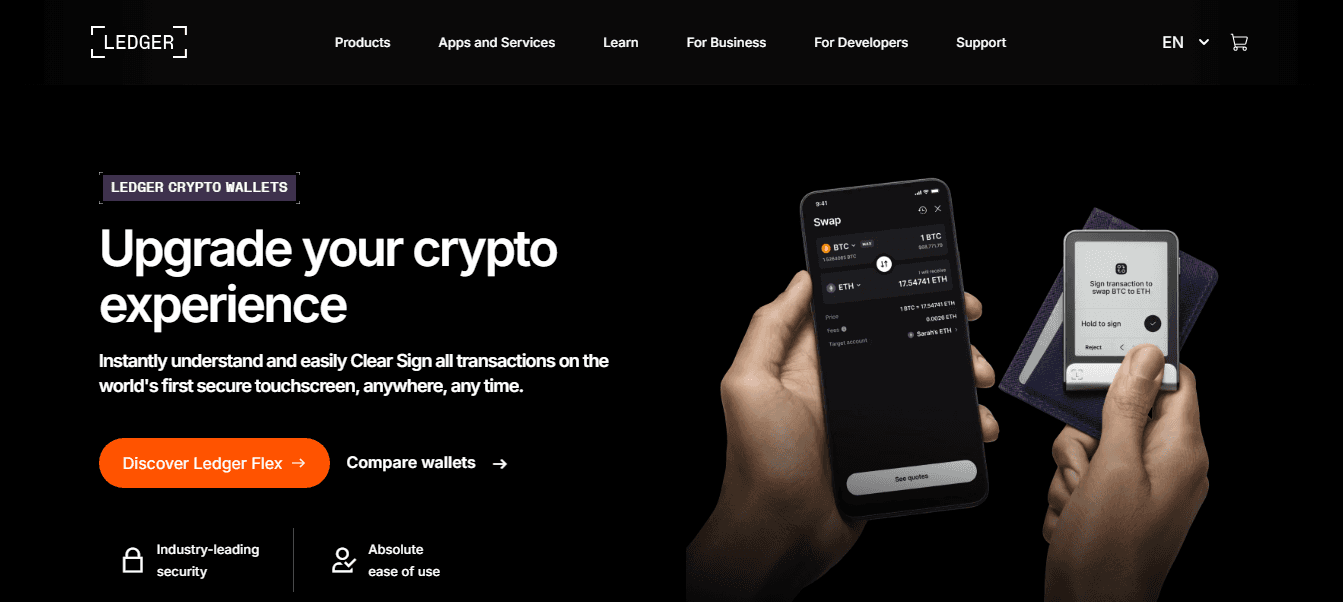
Ledger Login: Secure Access to Your Crypto Wallet
In the fast-growing world of cryptocurrency, digital security is everything. As investors and traders manage increasing amounts of digital currency, protecting those assets from theft, loss, and cyberattacks has become a top priority. Among the most trusted solutions available is the Ledger hardware wallet. Understanding how the Ledger login process works is essential to safely accessing and managing your cryptocurrency holdings.
What Is Ledger?
Ledger is a globally recognized company known for developing secure hardware wallets that protect cryptocurrency assets. These devices store your private keys offline, keeping them safe from hackers, phishing attempts, and malware. Unlike software wallets that depend on internet connectivity, Ledger wallets isolate sensitive data from online threats, providing a physical barrier between your private keys and the digital world.
Ledger’s product lineup includes devices such as the Ledger Nano S Plus and Ledger Nano X. Both models are compact, user-friendly, and capable of storing multiple types of cryptocurrencies, including Bitcoin, Ethereum, and various altcoins.
To manage assets stored on these wallets, users rely on the Ledger Live application. It serves as the interface between your hardware wallet and the blockchain, allowing you to view balances, send or receive funds, and monitor portfolio performance — all while keeping your private keys securely offline.
Why Secure Login Matters
A secure Ledger login is more than just a step to access your wallet; it’s a crucial part of maintaining the integrity of your digital investments. Because Ledger devices operate offline, they provide a higher level of protection than software-based wallets. However, careless login habits, such as using unsecured devices or mishandling recovery phrases, can still put assets at risk.
The login process ensures that only you — the device owner — can view your portfolio, approve transactions, or interact with your digital currencies. Each step of the process includes built-in safeguards to prevent unauthorized access or fraudulent activity.
Step-by-Step Guide to the Ledger Login Process
Connect the Device
Begin by connecting your Ledger hardware wallet to your computer or smartphone using a USB cable or Bluetooth, depending on your device model.Launch Ledger Live
Open the Ledger Live application on your device. This program serves as your main control center for managing cryptocurrency assets.Enter Your PIN Code
Once connected, the Ledger device prompts you to enter your PIN code. This PIN serves as your primary access control. After three incorrect attempts, the device automatically resets itself to prevent unauthorized entry.Unlock and Access Accounts
After entering your PIN, Ledger Live will detect your device and display your accounts, balances, and transaction history. From here, you can safely send, receive, or manage your assets.Confirm Transactions Physically
One of Ledger’s most important safety features is physical transaction confirmation. Each transaction must be verified directly on the device’s screen. This step ensures that no transaction is made without your direct approval.
Key Security Features of the Ledger Login System
Ledger’s login system is designed with multiple layers of protection. These include:
PIN Code Protection: Prevents unauthorized users from accessing your wallet.
Secure Element Chip: Each Ledger wallet contains a specialized security chip that keeps private keys safe from hackers and malware.
Offline Key Storage: Because your private keys never leave the device, they remain completely isolated from internet threats.
24-Word Recovery Phrase: When setting up your device, you receive a 24-word recovery phrase that serves as the ultimate backup. This phrase can restore your entire wallet if your device is lost or damaged.
Physical Confirmation: Every transaction must be verified manually on the device’s screen before it is executed.
These features work together to provide one of the most secure environments for cryptocurrency storage and management.
Common Issues During Ledger Login
Even though the login process is straightforward, users sometimes encounter minor issues. Understanding these common problems helps ensure smoother operation:
Device Not Recognized: If your computer or phone does not detect your Ledger wallet, try reconnecting it, changing the cable, or restarting Ledger Live.
Incorrect PIN Entries: If you enter your PIN incorrectly too many times, the device will reset. You can restore access using your recovery phrase.
Connection Problems: Ensure that both your Ledger device and Ledger Live application are updated to the latest versions. Compatibility issues often arise when firmware or software is outdated.
Phishing Attempts: Be cautious of fake websites or messages claiming to represent Ledger. The company will never ask for your recovery phrase or PIN online.
Best Practices for a Safe Ledger Login
To maintain a secure login and protect your crypto assets, follow these essential practices:
Use Trusted Devices Only: Avoid connecting your Ledger wallet to public or shared computers. Use your personal, secure device whenever possible.
Keep the Recovery Phrase Offline: Write your 24-word recovery phrase on paper and store it in a safe, private location. Never store it on your phone, computer, or cloud storage.
Update Firmware Regularly: Ledger frequently releases firmware updates that improve security and functionality. Always keep your device up to date.
Verify Details Before Approval: Check all transaction details on your Ledger screen before confirming to ensure accuracy.
Enable Password Lock in Ledger Live: This adds an additional layer of protection to your application, preventing unauthorized access to your portfolio data.
Advantages of Ledger’s Login and Security System
The Ledger login process provides exceptional protection compared to standard online wallets. Because it does not rely on traditional credentials like email and password, it eliminates the risk of password breaches or database hacks. All private keys are stored inside the secure element chip, away from the internet.
Additionally, requiring physical approval for transactions ensures that even if malware infects your computer, funds cannot be transferred without your manual confirmation. This design makes Ledger one of the safest and most reliable options for cryptocurrency storage.
Final Thoughts
The Ledger login process is a key component of safeguarding your cryptocurrency assets. It combines simplicity, security, and full control — all within a user-friendly framework. By learning how to log in safely, maintaining proper device hygiene, and protecting your recovery phrase, you ensure your digital investments remain secure at all times.
Ledger’s unique combination of hardware security, offline storage, and physical confirmation has set the standard for protecting cryptocurrency worldwide. As the digital economy continues to expand, these principles of strong security and responsible login practices will remain essential for anyone managing crypto assets.
With Ledger, you stay in control — confident that your cryptocurrencies are protected by one of the most advanced security systems available today.